Introduction
Dysphagia, or problem swallowing, is a typical condition that impacts individuals across numerous age groups, particularly the senior and those with neurological problems. The implications of dysphagia can be serious, leading to malnutrition, dehydration, and aspiration pneumonia, which significantly boosts morbidity and death prices. In treatment setups-- be it taking care of homes, aided living centers, or home healthcare-- correct dysphagia administration is critical. This short article explores the extensive influence of dysphagia training for carers, concentrating on how such training produces more secure atmospheres in treatment settings.
Understanding and executing reliable dysphagia care not only enhances patient safety and security yet likewise improves overall quality of life for citizens and clients. In this extensive overview, we will certainly look into the value of dysphagia training for treatment staff, the kinds of dysphagia training courses available, and the advantages they offer to both caregivers and those they serve.
What is Dysphagia?
Dysphagia refers to troubles in swallowing that can occur from different causes-- including neurological problems such as stroke or Parkinson's condition, muscle conditions, and structural irregularities. The medical symptoms can range from light pain while eating to severe choking episodes that pose lethal risks.
Types of Dysphagia
- Oropharyngeal Dysphagia: This kind takes place when there are concerns in the mouth or throat that prevent swallowing. Esophageal Dysphagia: This type entails problems in the esophagus itself.
Understanding these differences is crucial for caregivers as it educates their approach to dysphagia management.
Symptoms of Dysphagia
Common signs include:
- Difficulty launching a swallow Coughing or choking during meals Sensation of food getting embeded the throat Frequent heartburn or regurgitation
Awareness of these symptoms encourages caregivers to act swiftly and effectively when they arise.

Why is Dysphagia Training Important for Treatment Staff?
The role of treatment staff is vital in taking care of dysphagic clients properly. Correct training outfits them with skills required to determine signs early, implement safe feeding techniques, and react promptly during emergencies.
Enhancing Individual Safety
One significant benefit of dysphagia training for nurses and carers is the improvement of person safety. Geared up with understanding regarding risk-free swallowing techniques and nutritional alterations, staff members can lower the risk of ambition-- which takes place when food or liquid enters the respiratory tract-- and its connected complications.
Improving High quality of Life
Training fosters a better understanding of individual dietary demands among clients with dysphagia. When caretakers are educated regarding ideal food appearances and consistencies, they can supply meals that satisfy individuals' nutritional requirements while being secure to consume.
Legal Compliance
In numerous areas, care service providers should abide by guidelines concerning dysphagia monitoring. Engaging in thorough dysphagia care training makes sure that centers satisfy these lawful responsibilities while securing their reputation.
Components of Efficient Dysphagia Training Courses
A well-shaped dysphagia training course incorporates several crucial elements designed to outfit caretakers successfully:
1. Comprehending Composition and Physiology
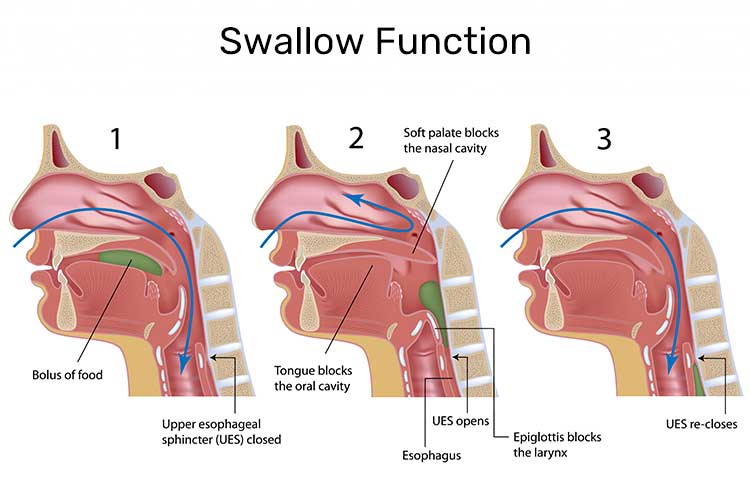
An important part of any dysphagia course involves education and learning on human composition pertaining to ingesting. Expertise regarding exactly how various muscular tissues collaborate throughout ingesting makes it possible for team member to understand what could go wrong when somebody has dysphagia.
2. Recognizing Signs and Symptoms
Training gives caregivers with comprehensive information on indications indicative of dysphagic episodes. This ability enables them to find problems at an early stage before they intensify into serious problems.

3. Safe Feeding Techniques
Courses must cover methods such as positioning clients appropriately during dishes (e.g., resting upright) and making use of flexible utensils if necessary.
4. Dietary Modifications
Understanding how to alter food structures-- such as blending foods or thickening fluids-- is crucial understanding for carers who prepare meals for people with varying levels of ingesting difficulty.
Types of Dysphagia Training Available
There are several styles whereby individuals can obtain dysphagia training:
Online Courses
With improvements in technology, many institutions currently offer online courses focusing on numerous elements of dysphagia care. These courses generally feature interactive modules that enable individuals to learn at their very own pace.
In-Person Workshops
Hands-on workshops permit participants Visit this link to practice feeding methods under supervision from certified teachers. Such experiential understanding chances boost retention prices contrasted to typical class settings alone.
Certification Programs
For those seeking official recognition in this field, qualification programs are readily available that finish in analyses confirming expertise degrees among trainees-- enhancing integrity within expert networks.
Creating More secure Settings: The Impact of Dysphagia Learning Treatment Settings
Creating much safer atmospheres requires a proactive technique in the direction of ensuring all employee possess appropriate knowledge relating to management strategies associated with dysphagic conditions.
By investing time into comprehensive dysphagia training courses customized specifically toward health care practitioners' requirements-- such as customized sessions targeted at registered nurses-- the whole caregiving ecosystem advantages profoundly; not just do homeowners experience boosted safety and security yet likewise boosted emotional wellness originating from effective dish experiences without anxiousness surrounding potential choking incidents!
Benefits Past Security: Psychological Aspects
While physical safety continues to be a main emphasis within any type of discussion surrounding effective caretaker education programs targeting individuals experiencing troubles related particularly towards ingesting problems-- it's likewise vital not forget emotional effects stemming from these circumstances too!
1) Reducing Anxiousness Levels
Families often worry about their loved ones struggling with ingesting problems; recognizing skilled professionals manage such scenarios lowers tension levels substantially!
2) Enhancing Social Engagement
Sharing dishes ends up being even more comfy when caretakers with confidence manage potential complications connected with feeding procedures! This boosted confidence encourages social communications among citizens promoting neighborhood bonds over shared dining experiences!
FAQ Section
Q1: What is included in a normal dysphagia training course? A: A regular training course consists of anatomy education, symptom recognition techniques, safe feeding methods, dietary modifications support, together with hands-on method opportunities via simulations or role-playing scenarios.
Q2: Who need to undertake dysphagia training? A: All employees involved in straight individual treatment-- including nurses, nursing aides, occupational therapists-- need to undergo this specialized training due its vital importance in the direction of maintaining resident wellbeing!
Q3: Exactly how commonly must staff renew their dysphagia training? A: It's suggested companies arrange correspondence course each year because standards concerning finest techniques evolve frequently based upon continuous study findings!
Q4: Can relative gain from recognizing dyspahgia management techniques? A: Absolutely! Providing families instructional sources encourage them as well play supportive functions outside institutional settings boosting total quality-of-life experiences!
Q5: Is there a details age group more impacted by dysplasia? A: While individuals across any age teams may experience some type(s) associated specifically in the direction of swallowing difficulties-- the elderly population tends face heightened dangers primarily due underlying health and wellness problems affecting musculature included therein!
Q6: How does one find certified dypshgia trainer programs? A: Research reputable specialist organizations specializing within allied health fields like speech-language pathology normally use suggestions pertaining accredited continuous education and learning opportunities!
Conclusion
In recap, developing much safer settings via efficient dysphgia training in care setups can not be overemphasized! By prioritizing education and learning tailored especially towards addressing obstacles faced by those experiencing difficulties while eating food/drink-- we safeguard prone populations against preventable problems emerging therein!
Ultimately spending resources into extensive dsyhpgia support campaigns not just improves individual security however promotes holistic enhancements across every element connected caregiving duties thus enriching lives all around!
This write-up envelops a substantial expedition right into how dysaphgia understanding among caretakers makes certain excellence within daily functional structures inevitably resulting favorable outcomes throughout diverse health care landscapes!